Bill Gates Pledges $1B for AI Access
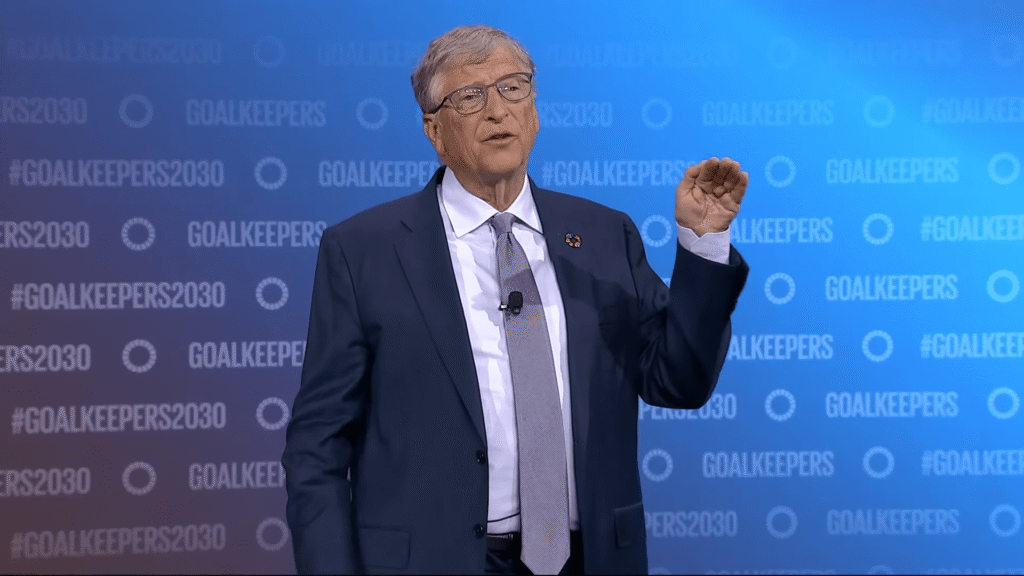
The Gates Foundation plans to invest at least one billion dollars over the next two years to widen access to artificial intelligence in global health, education, and agriculture, according to a report covered by The Decoder. Co-founder Bill Gates warned that without intentional intervention, the technology will deepen the global wealth gap rather than bridge it.
Writing in the foundation’s 2026 Goalkeepers report, Gates stated that decisions made over the next twelve to eighteen months will determine whether artificial intelligence primarily benefits wealthy populations or reaches underserved communities. He noted that market forces alone will not ensure equal opportunity, as commercial developers naturally prioritize paying customers over marginalized populations.
A core challenge highlighted in the report is linguistic disparity. More than 90 percent of data used to train early large language models originated from English sources. While English speech recognition error rates sit below 6 percent, the same technology fails more than 60 percent of the time in languages like Yoruba, creating severe disparities in critical sectors like healthcare.
The newly committed funds will support tools designed for workers in developing regions, including initiatives to integrate non-English sources into large training datasets. The report highlights several existing projects, including AI diagnostic assistants in Kenyan clinics, educational tools in Sierra Leone, and agricultural advisory services in India.
This initiative accompanies a broader philanthropic strategy in which the foundation aims to spend approximately 200 billion dollars before closing its operations in 2045. The funding push follows earlier warnings from Gates regarding the societal risks of artificial intelligence, balancing his previous concerns about labor displacement and security with a focus on equitable deployment.
Based on reporting by the-decoder.com.