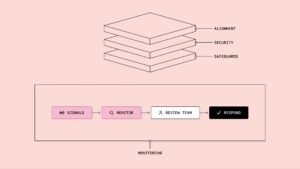
Understanding the NIST AI Risk Management Framework

As artificial intelligence systems become increasingly integrated into enterprise applications and consumer products, development teams face mounting scrutiny regarding safety, reliability, and governance. According to reporting by Unite.ai, the National Institute of Standards and Technology AI Risk Management Framework provides a structured approach for organizations seeking to navigate these complex challenges.
The framework is designed to help engineering and product teams identify, measure, manage, and govern the potential risks associated with artificial intelligence technologies. By establishing clear guidelines, the framework encourages organizations to build systems that are trustworthy, transparent, and accountable. Rather than imposing rigid mandates, the guidelines offer a flexible structure that adapts to various use cases, ranging from internal enterprise tools to customer facing applications.
For developers and product managers working within the fast moving artificial intelligence sector, implementing structured risk management is becoming a critical component of the deployment lifecycle. The Unite.ai overview highlights that adopting such standards early helps organizations mitigate unintended biases, security vulnerabilities, and operational failures before products reach the market. As regulatory environments continue to evolve globally, frameworks like the one from NIST serve as essential reference points for teams striving to balance rapid innovation with responsible technology development.
Based on reporting by www.unite.ai.